Important Things You Must Know About the Bouzouki
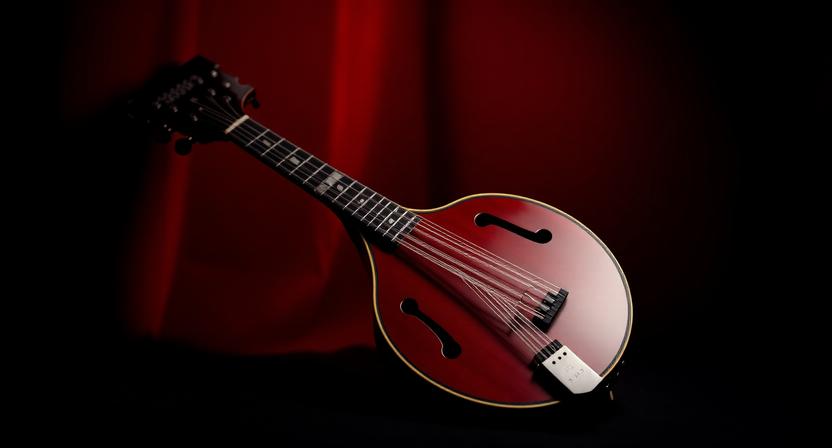
Out of many musical instruments that exist today, the majority have gone through severe evolution and witnessed an era from ancient to modern. The bouzouki is that one instrument that went through major evolution, but still many people don’t know much about it. Originating in Greece and traveling to Ireland, its history is nothing short of fascinating and worth studying. However, considering that many people still live in oblivion when it comes to knowing even the major facts and things about bouzouki, we are sharing some of the important ones here. If you are thinking of learning this distinctive instrument or being a musician of any sort, knowing about the bouzouki will help you understand how music evolved through time and how different cultures influence its making. Origin and Evolution The ancient form of bouzouki originated in Greece and was known as pandoura, that have 3 pairs of strings and was an important part of the Greek music culture. It evolved from its raw form, and during the Byzantine period, it became tambouras that had the same structure as its ancestor, but evolved in terms of construction and tuning. In the Ottoman period, the instrument was influenced by different regions, especially from Saz, and new tunings and playing techniques were introduced. It then travelled to Ireland, where a different version of the bouzouki came into being as the Irish bouzouki that became a prominent part of Celtic Music. It went on with the transformation, and from three pairs of strings, it went on having 4 pairs of strings. Types Unlike other string instrument, bouzouki only have two main types, one is the trichoro (three-course), which has three pair of strings and is the traditional design of the instrument. The second type is tetrachordo (four-course), which has four pairs of strings and is the designed that came into existence in the course of its evolution from traditional to modern. Both types are used in the present time, and the three-course is used mostly in traditional and folk music, whereas the four-course is mainly played in the modern music scenes and offers a wider range of music. You can choose one of them based on the type of music you want to play. Structure and Design The structure and the design of the bouzouki also evolved throughout time alongside its tuning and playability. Very much like other lute-family instruments, the bouzouki also has a long neck and a rounded body, mostly made from wood, and features a flat top and a sound hole, and the back of the instrument is made in a bowl shape. It has a long fretboard that helps in playing a wide range of notes from melody to rhythm. However, there is also another variation, which has metal strings and its bouzouki has its signature resonant tone. The bouzouki differs from other string instruments as it produces a distinctive tone, not a usual softer tone. Bouzouki also has other interesting things to know, like rhythm, tuning, and playing techniques that set it apart from other musical instruments. When you dig deeper in its history, you will be amused knowing about how it evolved throughout time and became an important part of diverse music cultures.