
When people hear “flute”, they usually picture a silver concert-style flute. However, there are actually many flute types, each with its own sound, purpose, and role. Some produce bright, expressive tones, while others produce softer, deeper tones.
The variety of instruments can be confusing for beginners. It is not always easy to tell the difference between instruments, especially when they belong to the same family.
Understanding the different types of flutes and their uses can help you choose an instrument more easily.
Table of Contents
- What makes Flutes different?
- The Common Types of Flute
- Concert Flute vs. Other Flutes
- What is the best flute for beginners?
- The Flute Styles to Consider When Choosing A Flute
- FAQ
What makes Flutes different?
The main differences between flutes are usually size, pitch range and sound character.
Smaller flutes tend to produce higher and brighter tones. Larger flutes produce warmer and lower tones.
Some instruments are designed to be used in orchestras or concert bands while others are more commonly found in folk music and solo performances.
Each flute type has its unique personality.
The Common Types of Flute
Concert Flute
The concert Flute is also known as the C flute. It is the most popular member of the flutes.
This is the instrument that most beginners start with and it is used widely in orchestras, schools bands, chamber music and solo performances.
It’s sound is versatile, balanced and can be adapted to different genres.
This is a good starting point for most players.
Piccolo
The piccolo produces a higher pitch and is smaller than the standard flute.
The bright sound of this instrument is great for bringing out dramatic and energetic moments in music.
It is similar in appearance to the flute but requires more precision and practice.
Alto Flute
The alto Flute produces a warmer, deeper sound than the concert Flute.
The headjoint is usually larger and curved to provide greater comfort when playing.
You can hear alto flautists in film music, orchestral settings or specialized groups.
It is not recommended as a beginner instrument because of its size.
Bass Flute
The bass flute is one of the most recognizable types of flute. Its size and tone are what make it stand out.
The sound is rich and airy, but noticeably deeper and softer than that of smaller flutes.
The bass flute is more common in contemporary music and experimental compositions.
The larger size makes them less useful for beginners.
Wooden and Folk Flutes
Silver orchestral flutes are not all silver.
There are many cultures that have flutes with unique sounds and histories.
Examples include:
- Irish flutes
- Bamboo flutes
- Native style flutes
- Recorder-style instruments
Depending on the musical tradition, these instruments and styles may use different materials or playing techniques.
Concert Flute vs. Other Flutes
The concert flute is the most versatile of all types.
This product offers a better balance between range, comfort and availability than most alternatives.
Piccolos, which are smaller instruments, produce brighter sounds. However, they can be harder to control.
The larger flutes, such as the alto and bass models, offer more warmth and depth. However, they often require greater air support and comfort.
Many players explore additional flute types after gaining confidence in the fundamentals.
What is the best flute for beginners?
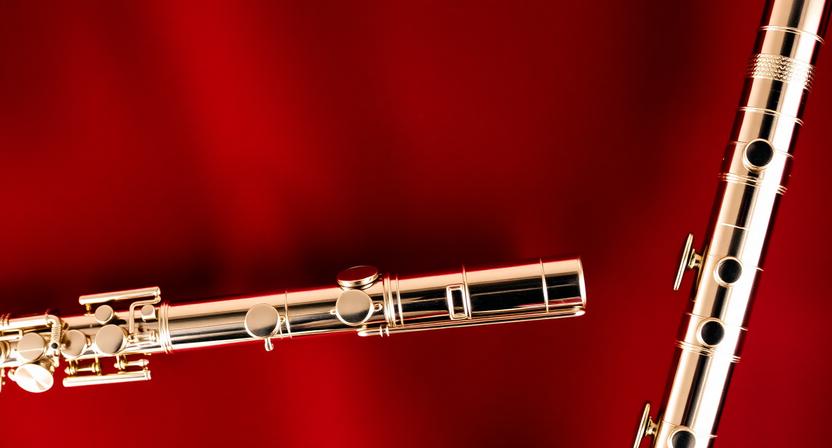
The concert flute is the best choice for most beginners.
You can easily find replacement parts, learning materials, accessories and instructors.
It is easier to transition from a standard flute into another flute type later on.
Musical taste is important.
If you are a fan of traditional folk music, you may gravitate towards wooden or regional styles.
The Flute Styles to Consider When Choosing A Flute
The best music for you can be determined by your personal taste.
Concert flutes are often the first instrument that someone interested in classical or orchestral music encounters.
Folk musicians often prefer regional or wooden flutes.
Alto and bass flutes have a warmer sound that is often preferred by players who are looking for cinematic, atmospheric sounds.
Instruments are often chosen more for their musical goals than their technical specifications.
Final Thoughts
The family of flutes is incredibly diverse. Each flute has a different sound and function in music, from bright piccolos all the way to rich bass flutes.
Beginners will often find that a concert flute is the best way to get started. As you progress, it can be fun to explore different flute families.
It is best to choose a music style that you enjoy.
FAQ
What are the different types of flutes?
There are many different types of flutes, including the concert flute (also known as alto flute), piccolo, bass flute and wooden or folk instruments.
What is the easiest flute for a beginner to learn?
Due to its accessibility and resources, the concert flute is considered by many beginners as being the best instrument for them.
What is the difference between a piccolo and a flute
Not exactly. Piccolos are smaller flutes with a higher pitch.
Do wooden flutes require more practice?
The learning experience is different for everyone. Depending on the style and construction of a traditional flute, different fingerings and techniques are used.