
It can be difficult to find the perfect beginner flute. On first glance, all flutes look similar. There are questions about key styles, materials, price ranges and if a cheaper option really is worth it.
Too much information for someone who is learning can be confusing.
Beginners do not have to be experts in every detail. It is more important to choose a flute which feels reliable and comfortable than to chase advanced features.
Practicality leads to better practice and a more consistent experience.
Table of Contents
- What makes a good beginner flute?
- Features that matter for new players
- Closed-hole vs open-hole flutes
- Common beginner buying mistakes
- Accessory Help for New Players
- FAQs
What makes a good beginner flute?
The best beginner Flute is comfortable to hold, easy to play, and consistent.
Instruments that promote practice and do not cause frustration are best for beginners. Even small problems, such as sticky keys or inconsistencies in tuning, can make learning more difficult than necessary.
Think about the way that instrument will help you learn.
Comfort and reliability are usually the most important factors.
Playability comes first
Some flutes are simply easier to play.
The flute should be responsive and easy to handle.
Some of the things worth paying attention include:
- Comfortable finger placement
- Smooth key action
- Weight balance
- Reliable tuning
A natural instrument to hold makes practicing more enjoyable.
Durability is more important than beginners expect
It takes time for new players to learn the proper handling and maintenance techniques.
A durable flute is often a better choice than one chosen solely for its looks.
The best long-term investment is usually a practical instrument that can be used regularly.
Features that matter for new players
It is better to concentrate on the practical aspects of a flute rather than getting bogged down in technical details.
Closed-hole flutes are often a good choice for beginners
Most beginners begin with flutes with closed holes (also called plateau flutes).
The models are designed to cover the entire tone hole, making it easier for you to learn fundamentals.
These instruments are often used to teach beginners music and can be less intimidating initially.
The Material is Not the Most Important Factor
First-time flute buyers often spend too much effort comparing the flute materials.
There are flutes made of nickel-plated silver, mixed metals, or other materials. However, comfort and reliability are more important at first.
The cost of a material does not guarantee that it will make learning easier.
A good setup makes a difference
If it’s not adjusted properly, even a high-quality flute can be difficult to play.
The playing experience can be improved by using responsive keys and aligning them properly.
Consistency is more important for beginners than advanced customization.
Closed-hole vs open-hole flutes
The key style is one of the most important decisions new players have to make.
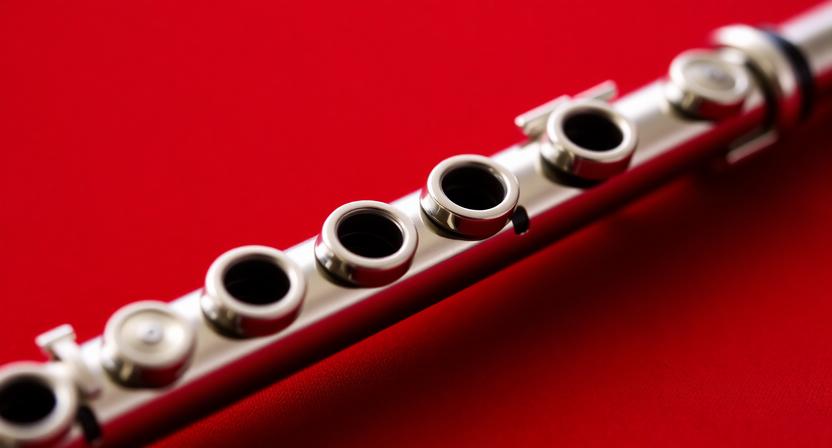
Closed hole flutes tend to be easier to learn, as finger placement is more forgiving.
Open-hole Flutes have small holes in the keys, and are associated with advanced technique.
Many players prefer closed-hole designs to open-hole ones.
It is easier to learn the basics without adding complications.
Common beginner buying mistakes
First-time buyers often make the same mistakes.
One of the most common mistakes is to choose the cheapest product available, without considering its playability.
The initial cost of a flute with sticky keys or tuning problems may be lower, but it can become frustrating to practice.
Prioritizing the appearance of a product over its comfort is another mistake.
The appearance of a polished finish is important, but the ease of use will last much longer.
Many beginners overlook the importance of accessories, maintenance and basic repair.
Accessory Help for New Players
Learning can be made easier by focusing on a few key elements:
- Cleaning cloth and rod
- Carrying Case
- Music stand
- Tuner or metronome
- Sheet music for beginners
Maintaining a flute’s performance can be improved by keeping it clean and well-protected.
Final Thoughts
It is not necessary to be overwhelmed when choosing a starter flute. Most people will find that the best place to start is with an instrument they feel comfortable with, one that responds consistently and encourages regular practice.
The latest features are always available.
At first, reliability is more important than perfection. The best flutes are those that will encourage you to continue playing.
FAQs
What is the best flute for beginners?
For many new players, a comfortable concert flute with closed-holes is a good starting point.
Should beginners purchase an expensive flute for their first instrument?
Not necessarily. Premium materials are not always the best choice.
Are closed-hole flutes better for beginners?
Closed-hole flutes are easier for many beginners to learn on because the finger placement is simpler.
How long does it usually take to learn the basics of flute?
The learning speed depends on the consistency of practice, musical background and instruction.