
A banjo can sound bright, punchy, mellow, or surprisingly warm depending on several factors. One detail that often gets overlooked is the role of banjo strings. For beginners especially, string choices can feel confusing when terms like gauge, tension, and material start appearing.
The good news is that choosing strings does not need to feel overly technical.
In many cases, comfort and playing style matter more than chasing complicated specifications. A well-matched string setup can make a banjo feel easier to play and help shape the sound you enjoy most.
Understanding a few basics can make future string choices much simpler.
Table of Contents
- What Makes Banjo Strings Different?
- Common Types of Banjo Strings
- Understanding String Gauges
- How Materials Affect Sound
- When to Change Banjo Strings
- Common Beginner Mistakes
- FAQs
What Makes Banjo Strings Different?
Unlike guitars, banjos often use a shorter fifth string alongside the main strings, giving the instrument its distinctive sound and playing feel.
The number of strings varies depending on the instrument itself. While five-string banjos are widely recognized, four-string and six-string versions also exist.
Because setups differ, not every set of banjo strings works universally.
The type of banjo you own usually determines the best string configuration.
Common Types of Banjo Strings
Banjo strings vary based on instrument type and playing preference.
Five-String Banjo Strings
Five-string banjos are especially common in bluegrass and folk music.
These setups include the shorter fifth string, which contributes to the instrument’s recognizable rhythmic sound.
Players interested in fingerpicking traditions often use five-string configurations.
Four-String Banjo Strings
Four-string banjos are more common in jazz, Irish traditional music, and older styles.
They are often played with a pick rather than fingerpicking techniques.
Because tuning styles differ, string setups may vary significantly from five-string instruments.
Six-String Banjo Strings
Six-string banjos sometimes appeal to guitar players because tuning can feel more familiar.
Although technically still a banjo, the playing experience differs from traditional styles.
Understanding String Gauges
One of the biggest decisions when choosing banjo strings involves gauge.
Gauge refers to string thickness.
Light Gauge Strings
Light strings generally feel easier to press and bend.
Many beginners prefer them because they can feel more comfortable during practice.
However, lighter gauges may produce a slightly different feel and response depending on playing style.
Medium or Heavier Gauges
Heavier strings often feel firmer and may suit players who prefer stronger projection or a fuller sound.
That said, comfort matters.
A setup that feels difficult to play may discourage practice, especially for beginners.
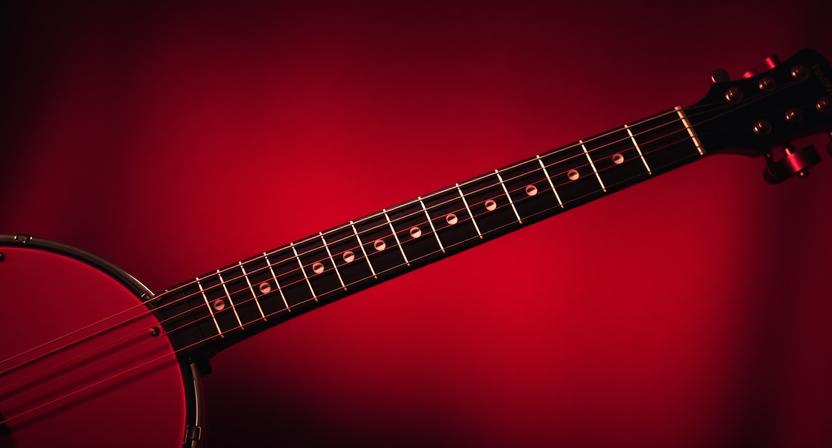
How Materials Affect Sound
Banjo strings come in different materials, each influencing feel and tone slightly.
Some common options include:
- Nickel-plated steel
- Stainless steel
- Phosphor bronze combinations
Different materials can subtly shape brightness, warmth, and playing feel.
However, many beginners spend too much time worrying about technical differences early on.
Comfort and consistency usually matter more than chasing tiny tonal changes.
When to Change Banjo Strings
Strings naturally wear out over time.
Signs it may be time for replacement include:
- Difficulty staying in tune
- Duller sound
- Visible wear or discoloration
- Reduced responsiveness
How often strings need changing varies based on playing frequency, environment, and personal preference.
Some players replace strings regularly, while casual players may wait longer.
Common Beginner Mistakes
Many beginners accidentally make string selection harder than it needs to be.
One common mistake is buying strings without checking banjo type.
Five-string, four-string, and six-string instruments often require different setups.
Another issue is assuming thicker strings automatically sound better.
In reality, comfort and playability often matter more.
Some players also wait too long before replacing worn strings, which can affect sound and tuning stability.
Final Thoughts
Choosing the right banjo strings does not need to feel complicated. For most players, comfort, instrument type, and playing style matter more than technical perfection.
Beginners often benefit from starting simple and adjusting preferences over time.
The best setup is usually the one that feels enjoyable enough to keep playing.
FAQs
What strings are best for a beginner banjo?
Many beginners prefer lighter gauge strings because they often feel easier to play.
How often should banjo strings be replaced?
Replacement timing varies depending on playing frequency and wear, but tuning instability and dull sound are common signs.
Do thicker banjo strings sound better?
Not necessarily. Heavier strings feel different and may suit some styles, but comfort matters too.
Are banjo strings different from guitar strings?
Yes. Banjo strings vary depending on banjo type and often include different configurations, especially for five-string instruments.