
The mandolin instrument has a distinctive sound that stands out almost instantly. Musicians have used it in folk, bluegrass, classical, and acoustic music for generations. Even people unfamiliar with the instrument often recognize its bright, shimmering tone.
However, many beginners know surprisingly little about how a mandolin works or what makes it different from similar string instruments. At first glance, it may resemble a smaller guitar or violin hybrid. In practice, though, it feels and sounds very different.
Fortunately, learning a few basics can make the instrument feel much less intimidating.
Table of Contents
- What is a Mandolin?
- The Mandolin’s Sound
- Mandolins: Common types
- What is the purpose of the mandolin?
- How to Choose the Right Mandolin for Beginners
- Common beginner mistakes
- FAQs
What is a Mandolin?
Mandolins are string instruments with metal strings arranged into four pairs of two. A mandolin uses eight strings in pairs instead of the six strings on a guitar.
This setup gives your instrument its bright, ringing sound.
Mandolins are compact but can still produce impressive projection. They are popular in folk, Celtic, Celtic, and Bluegrass music genres because their sound is able to cut through the group performance.
It also has a long history in classical music and is still used in modern recordings.
The Mandolin’s Sound
One feature that makes the mandolin instrument unique is its paired-string arrangement.
Because the strings work in pairs, the instrument often sounds fuller and brighter than beginners expect. Most players use a pick rather than fingerstyle techniques, so notes feel sharper and rhythms sound more defined.
In addition, many musicians use a technique called tremolo picking. Players move the pick rapidly across the strings to sustain notes and create smoother sounds. Since mandolins naturally produce shorter notes than guitars, tremolo helps extend sound in a way listeners instantly recognize.
As a result, many people closely associate tremolo with traditional mandolin playing.
Mandolins: Common types
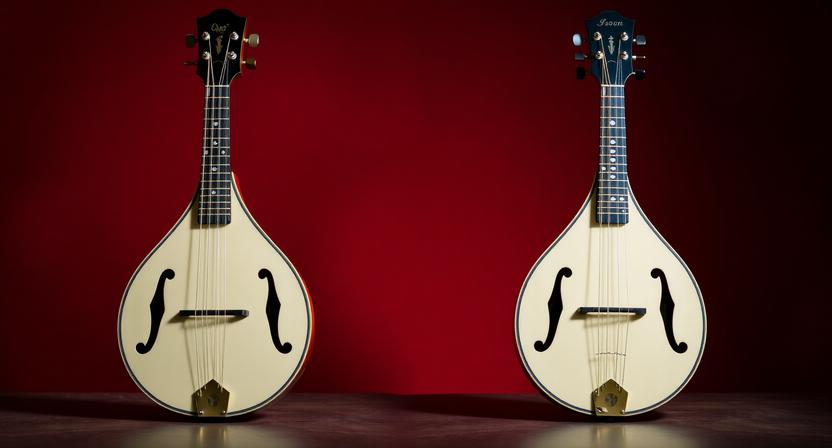
Mandolins are not all the same.
A-Style Mandolin
A-style mandolins are rounded and have a simple shape. They are recommended to beginners.
Players who are looking for versatility often choose these games because they tend to be versatile and work across genres.
F-style Mandolin
The carved scrolls on F-style mandolins make them more decorative.
These players are often drawn to bluegrass music, and they enjoy the traditional aesthetics.
Sound quality is not determined by the shape of the speaker. Comfort, build-quality, and setup are often more important.
What is the purpose of the mandolin?
Mandolins are often associated with bluegrass, but they can be used in many other genres.
Mandolins can be heard in:
- Folk music
- Country music
- Celtic Traditions
- Acoustic Pop Arrangements
- Classical compositions
- Indie and alternative recordings
Some artists use it to add subtle texture behind vocals while others put it in the middle of a track.
The instrument’s versatility makes it appealing to beginners.
How to Choose the Right Mandolin for Beginners
There are some practical considerations to make if you’re thinking of learning the Mandolin Instrument.
Prioritize Comfort Over Looks
Comfort is more important than decorative details.
Attention:
- Neck thickness
- String Height (Action)
- Weight and Balance
- Easy tuning
A comfortable instrument encourages you to practice more.
Consider Your Musical Interests
Bluegrass fans may have different preferences than those who are interested in folk, acoustic or acoustic music.
When you have a broad range of interests, versatility is more important than specialization.
Don’t overthink technical details
Most beginners compare woods and specifications too much.
Early on, playability is often more important than technical features. It is usually better to start with a reliable instrument you enjoy playing.
Common beginner mistakes
A common mistake is to buy purely on the basis of appearance.
The other is to choose the cheapest option without taking into consideration setup quality or tuning stability.
Many players underestimate the importance accessories like a tuner or extra strings.
When the basics are in place, learning is easier.
Final Thoughts
Mandolin is a compact instrument that offers a wide range of sounds and musical versatility. It can be an enjoyable instrument to learn, whether you’re drawn to folk melodies or bluegrass rhythms.
It is more important for beginners to choose something reliable and comfortable than it is to chase perfection. It is important to choose an instrument that will encourage you to practice.
FAQs
What is the difference between learning mandolin and guitar?
Others prefer the smaller neck size. The difficulty of learning depends on prior musical experience.
What is the best type of mandolin for beginners?
A-style mandolins are popular among beginners because of their simplicity and versatility.
Can you play a variety of genres with a mandolin?
Yes.
What is the sound of a mandolin?
Not exactly. The paired metal strings on mandolins make them sound brighter.